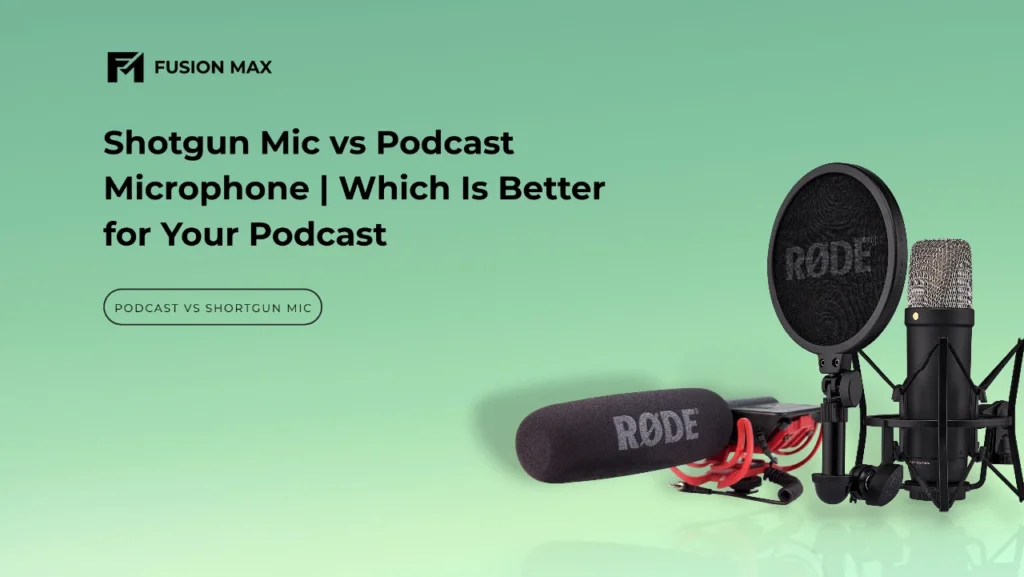
Starting a podcast feels exciting, but achieving great audio requires the right microphone. A good sound instantly boosts your credibility. Most listeners judge a show within seconds. Therefore, your mic becomes the foundation of your entire recording setup. The choice between a shotgun mic vs podcast microphone matters because each mic captures sound differently. In other words, your environment, voice style, and recording goals shape what will work best.
A shotgun mic focuses tightly on your voice, while a podcast mic offers warmth and presence. Moreover, your recording space plays a major role. A quiet, treated room supports studio mics well. However, an untreated room may create an echo or background noise. This is why new podcasters often struggle with consistency. To clarify, audio quality depends on pairing the right mic with the right space.
This guide explains both options clearly so you can decide what fits your show and improves your podcast audio qualit
What Is a Shotgun Microphone
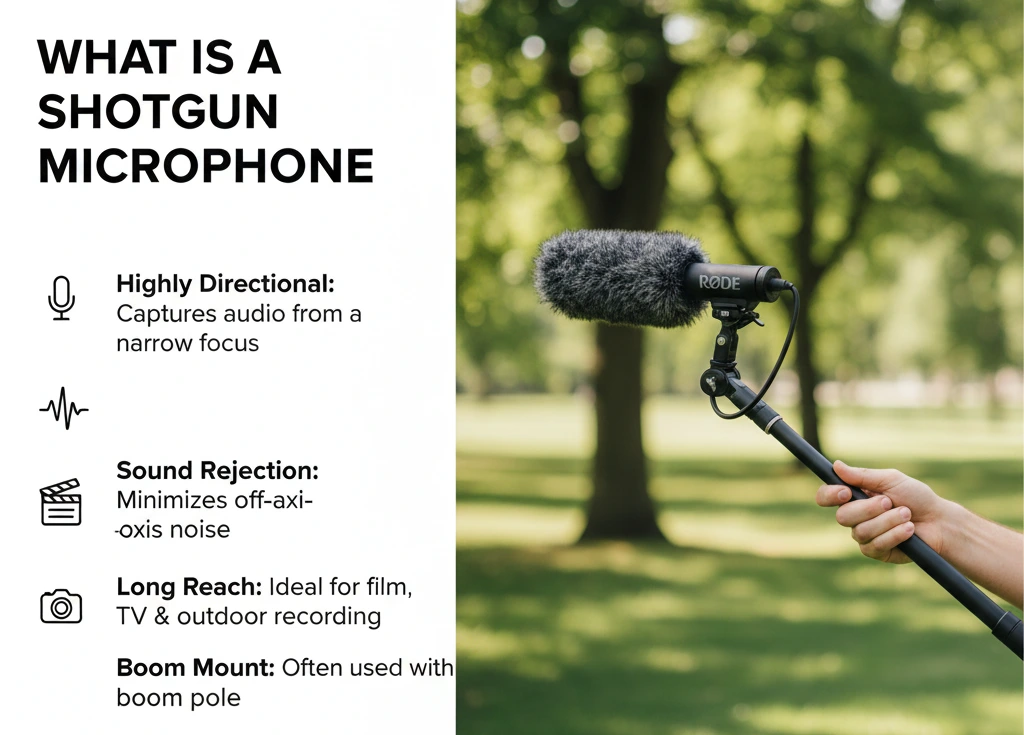
A shotgun microphone is a highly directional mic made to capture sound from a narrow angle. It focuses mainly on what is directly in front of it. As a result, it reduces side and background noise. This makes it useful for run-and-gun content, outdoor shoots, and video production. Podcasters sometimes use a shotgun mic for podcast setups when they want distance between the mic and the speaker. However, it works best when pointed precisely at the source. The shotgun mics are tube-shaped, long, and accurate. They offer good recording in a noisy area or a room with sound echo problems.
How a Shotgun Mic Works
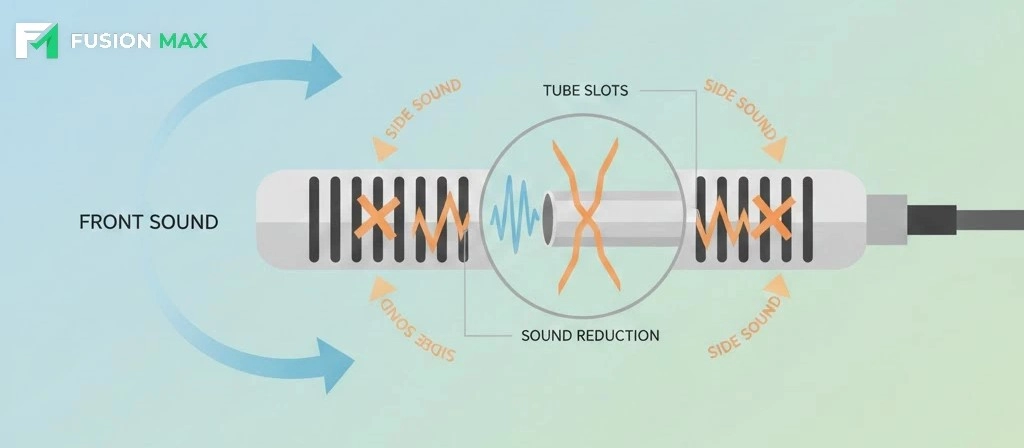
Shotgun microphones work by using an interference tube that cancels unwanted sound from the sides. Consequently, they isolate the main voice more effectively.
- They capture sound from a narrow forward direction.
- They reject noise coming from the sides.
- They maintain clarity even when placed slightly away.
- They perform well in tricky or noisy environments.
What Is a Podcast Microphone
A podcast microphone is designed to capture close-range vocals with warmth and detail. It is the most common choice for podcasters because it delivers a rich, intimate sound. In addition, it works well in small studios, home offices, and treated rooms. Most podcast mics come in two forms: dynamic and condenser. A dynamic mic for podcasting handles loud voices and rejects background noise. A condenser mic for podcasts provides detail and clarity. Both are popular depending on your style. When using a podcast microphone in Pakistan, creators often prefer it for its consistent voice tone and easy setup.
Types of Podcast Mics
Podcast microphones come in different types, and each one shapes your sound and workflow. You can choose based on how the mic connects to your device or how it is built internally. These categories help you match the microphone to your setup, skill level, environment, and the tone you want for your podcast.
By Connection Type
Podcast microphones differ in how they connect to your devices, affecting setup, flexibility, and overall recording convenience for podcasters. Below are the types by connection types.
USB Microphones
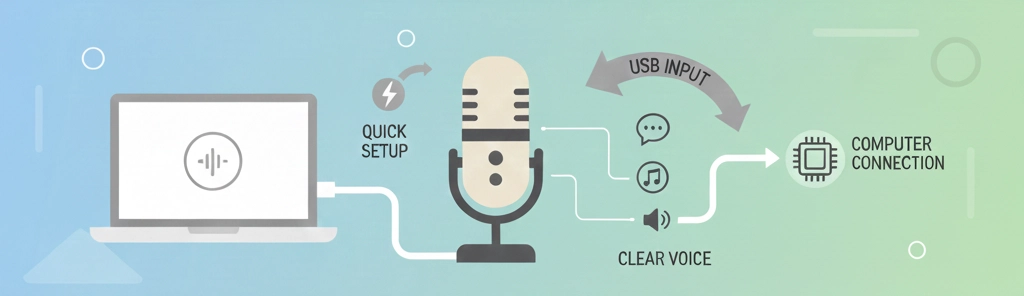
USB mics are great for beginners since they plug right into your laptop, no additional equipment needed. They’re easy to set up, install fast, and sound good. Great for recording interviews remotely or setting up a home studio. The RØDE NT-USB Mini is a solid pick—it gives you clear audio and sets up super quick, great for anyone just starting a podcast.
XLR Microphones
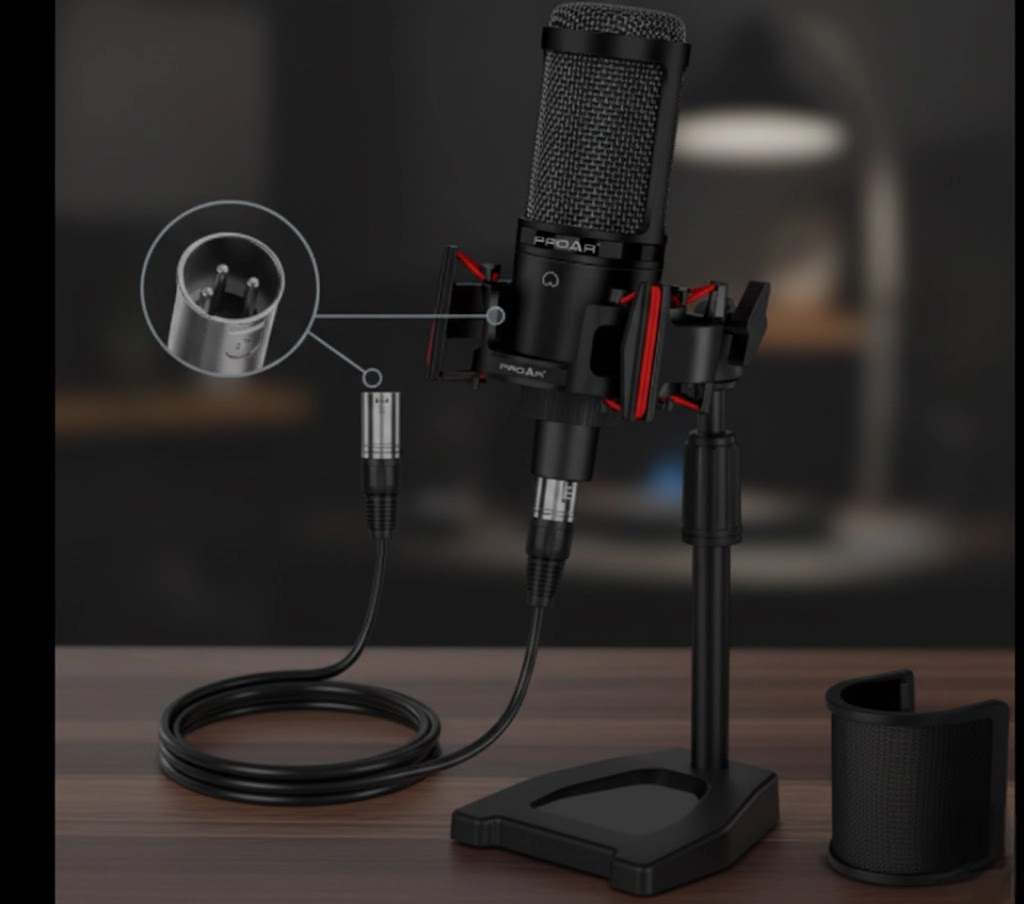
XLR mics give you expert sound but need an external audio interface to work. They’re tough, work in lots of setups, and are great if you plan to podcast for a while. These Mics allow you to adjust the sound and volume. The Synco D2XLR is one of the options. It is also known to have a clear and studio-quality sound, hence it is good when it comes to podcasters who require excellent sound quality.
Hybrid Microphones
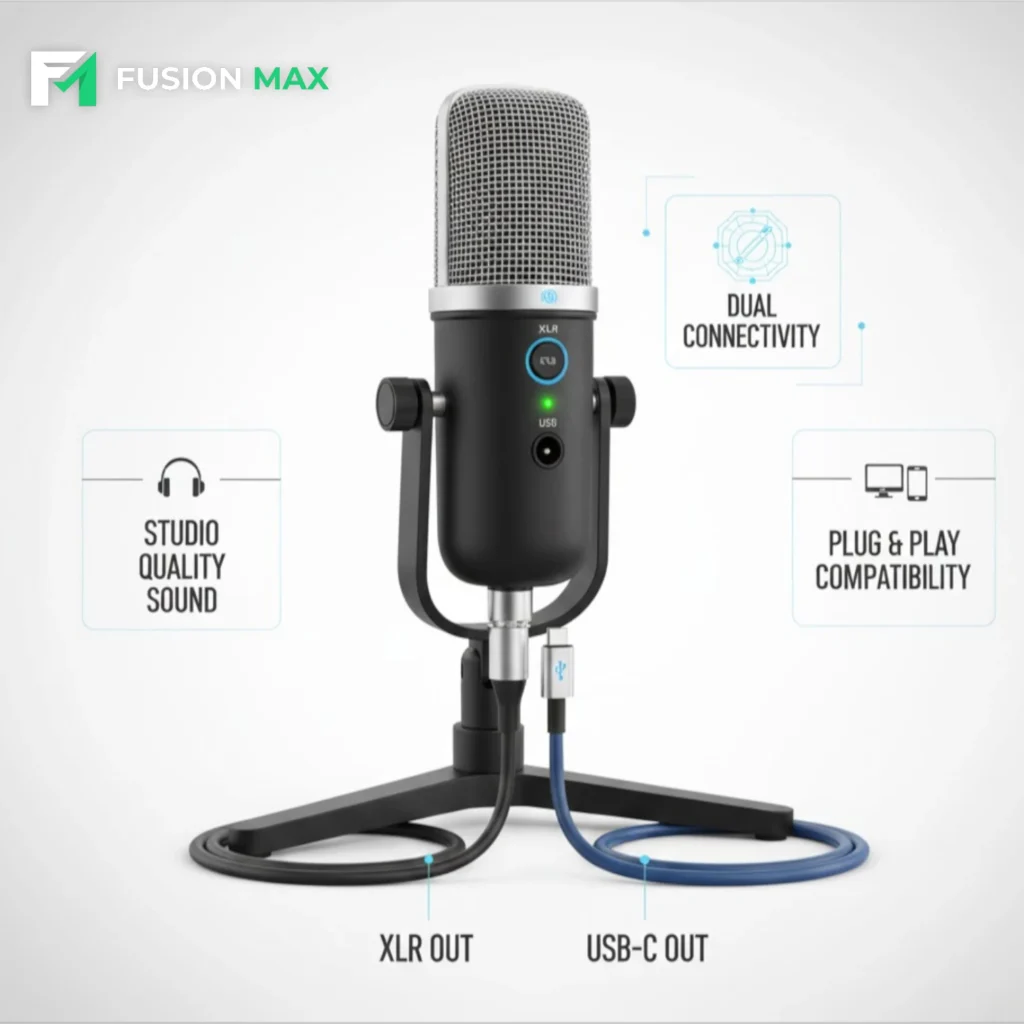
Hybrid mics are great because they have both USB and XLR outputs. This gives both new and experienced users options for how they want to record. Start with USB if you like, and then switch to an interface later on without needing a new mic. This makes them future-proof and convenient. A strong example is the RØDE PodMic USB, offering dual connectivity for creators who want versatility as their show expands.
By Design Type
Podcast microphones also differ in internal design, which affects sound quality, tone, and suitability for various recording environments and voices. Below are the main types.
Dynamic Microphones
Dynamic mics are great at blocking out extra noise, so they’re good if your recording space isn’t soundproofed. They give you a warm, clear sound that’s perfect when you’re speaking close to the mic for podcasts. Plus, they can deal with loud voices without any crackling. A popular option is the RØDE PodMic; many podcasters love it because it lasts long, doesn’t cost too much, and makes voices sound awesome in regular rooms.
Condenser Microphones
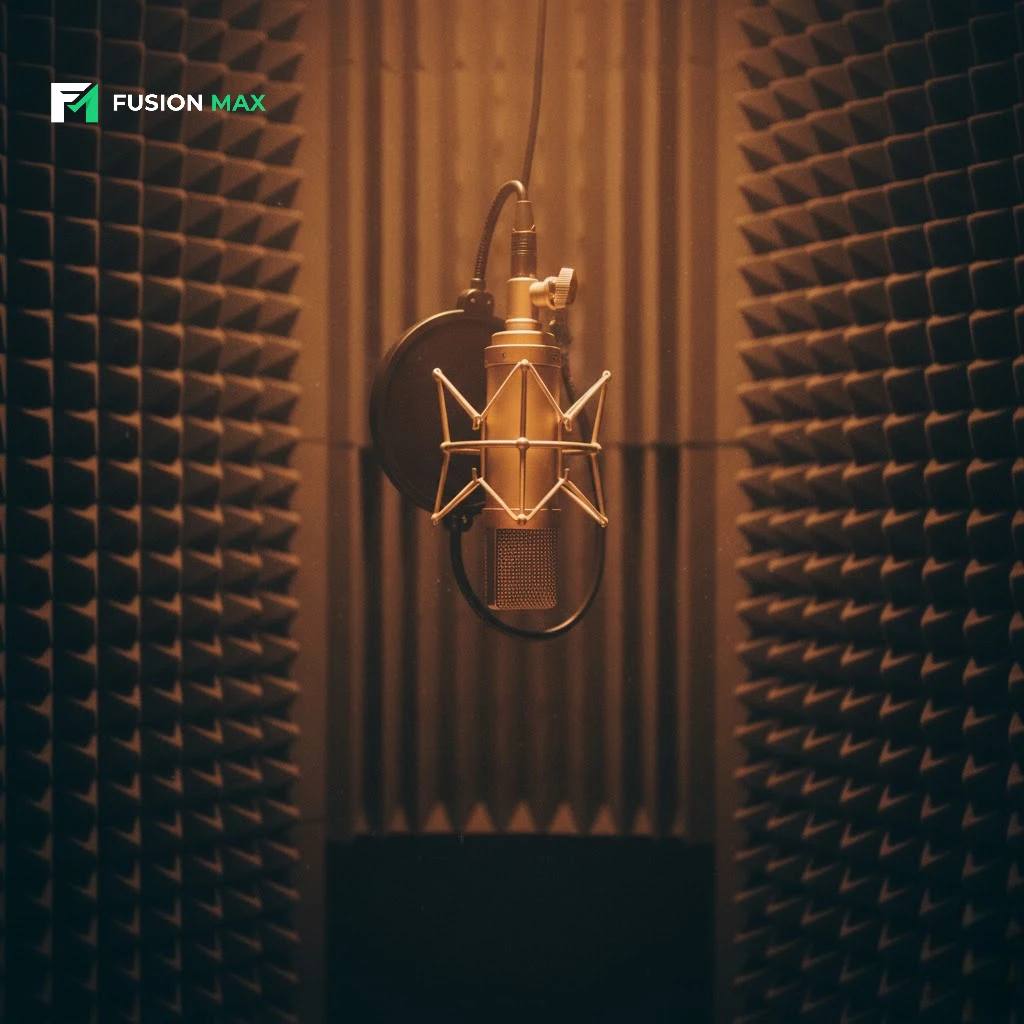
Condenser microphones capture bright, detailed, and expressive vocals. They are good at narration and storytelling as they are sensitive and respond well to softer voices. These mics are effective in quiet rooms that are treated. A great example is the Synco CMic-V1, which delivers crisp, studio-grade clarity suited for podcasters who want a refined, high-definition sound.
Ribbon Microphones
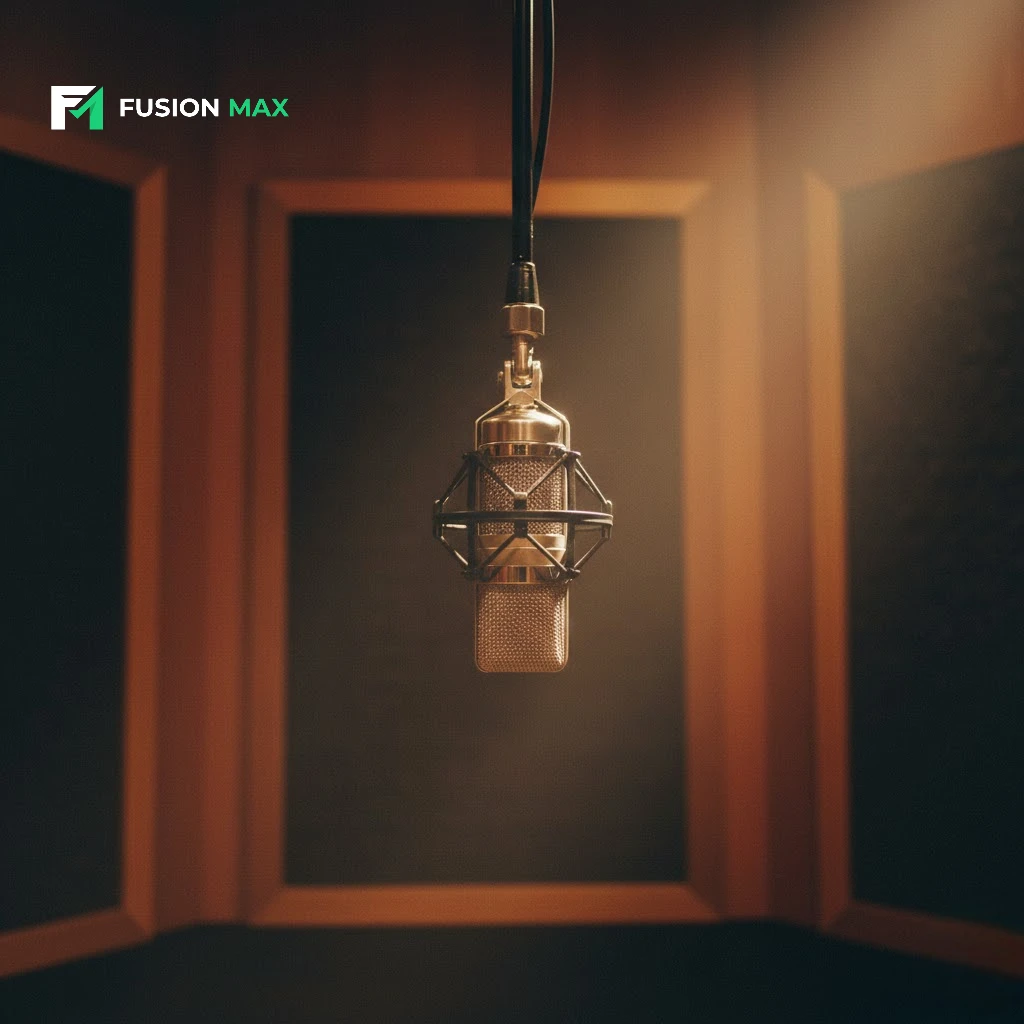
Ribbon mics offer a smooth, natural, vintage sound with a warm vibe. They’re a bit delicate, so a controlled studio is their ideal spot. Their classic sound can add character to vocal recordings. While beginners might not reach for them first, the RØDE NTR Active Ribbon Microphone is a great option for current setups. It’s awesome at picking up detailed audio and works well for various studio and live recordings.
Shotgun vs. Standard Podcast Mic Comparison Table
| Feature | Shotgun Microphone | Podcast Microphone |
|---|---|---|
| Direction | Narrow, forward | Close-range focus |
| Best Use | Noisy or echo rooms | Quiet or treated rooms |
| Voice Tone | Clean and direct | Warm and full |
| Placement | At a distance | Close to mouth |
| Skill Level | Moderate | Beginner friendly |
Which One Should You Choose?
Before setting up a podcast studio, many people wonder which mic is best for podcasting. The answer really depends on your voice, where you’re recording, and your setup. Some mics work better in quiet rooms, while others are better at handling noise and distance. Shotgun and podcast mics each have their own advantages, so it’s important to know how they perform in different situations.
Shotgun mic Recommendations:
If your room is noisy or has unwanted background sounds, a shotgun mic can help isolate your voice. It is ideal when you need to maintain some distance from the microphone while still capturing clear, directional audio. These mics excel in environments where you cannot control every sound, such as shared spaces, busy offices, or outdoor recordings.
Podcast Mic Recommendations:
A podcast microphone is perfect if you want a warm, professional voice tone. It works well in treated rooms or quiet home setups. Podcast mics are beginner-friendly, easy to set up, and provide consistent sound quality. If you want the best mic for podcast-style recordings with rich, full-bodied audio, this is the recommended choice.
By considering your environment, style, and goals, you can confidently select the mic that fits your workflow and achieves the best podcast audio quality.
Final Recommendation for Beginners in Pakistan
To sum up, if you are starting your podcast journey in Pakistan, choosing the right microphone will shape your recording experience. Consider your room first. Many beginners record in bedrooms, offices, or shared spaces, which often have noise or echo. In these situations, a podcast mic is the easier option. Dynamic versions offer control, warmth, and a simple setup. They are affordable and work well with common audio interfaces available locally.
Both options can work depending on your style, but most new creators prefer podcast microphones for their natural tone and reliability. If you want clarity, comfort, and uncomplicated performance, Fusion Max podcast mics are the perfect starting point. As your show grows, you can confidently explore upgrades available in Pakistan’s audio market.
Start your podcast journey today with Fusion Max — record smarter, sound better, and grow faster!
Frequently Asked Questions
Shotgun mics are usable for podcasting. They pick up sound clearly from one direction and cut down on background noise. Still, they do best in quiet places or when set up away from the speaker. If you’re recording at home, a normal podcast mic might be easier to use.
If you’re recording vocals up close, a dynamic mic is usually the better choice. It gives a warmer sound, cuts down on background noise, and keeps your audio levels steady. Shotgun mics are great for recording from far away and isolating sound, but they can sound a bit rough when used up close for vocals. For most podcasters, dynamic mics are just easier to work with.
Shotgun mics are a good choice when you’re recording in a noisy space. They mainly pick up sound that’s right in front of them, which cuts down on background noise. Dynamic mics can do the job, too, but they aren’t as focused. If you are recording in places where you can’t control the sound, a shotgun mic will give you clearer audio without all the extra distractions.
If you’re a beginner and don’t want to spend too much, the RØDE NT-USB Mini is a solid option. It’s easy to use, just plug it in, and it has a good sound for vocals. Synco also has some budget-friendly USB and vocal mics that are good for podcasting. They work well and don’t need a lot of extra equipment.