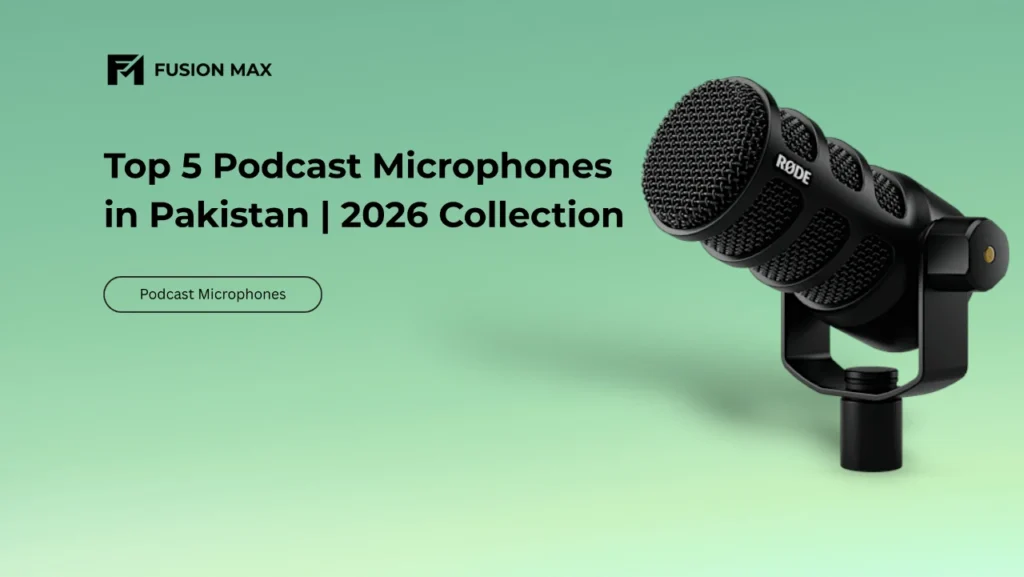
In Pakistan, podcasting is on the rise in 2026, and the creators are now paying more attention to sound quality than ever before. Consequently, whether you are starting up a new production or changing your gear, selecting the appropriate Podcast Microphones may directly influence the sound of your production in terms of professionalism and interest. Good audio creates credibility, maintains the attention of the listeners and enhances your brand voice on multiple platforms.
At the same time, the market now offers a wide range of microphones designed for different recording styles, studio sizes, and budgets. From USB-based plug-and-play options to broadcast-style microphones used in professional studios, creators have more choices than ever.
In this guide, we highlight the most reliable and performance-driven microphones available in Pakistan, helping you compare features, understand value, and make an informed buying decision that fits both your creative goals and budget.
RECOMMENDED MICROPHONES FOR PODCAST STUDIO
Choosing the right podcast microphone depends on your recording environment, experience level, and content format. For this reason, the microphones listed below balance sound quality, durability, and value, making them ideal for podcast studios, home creators, and professional setups across Pakistan.
Rode PodMic
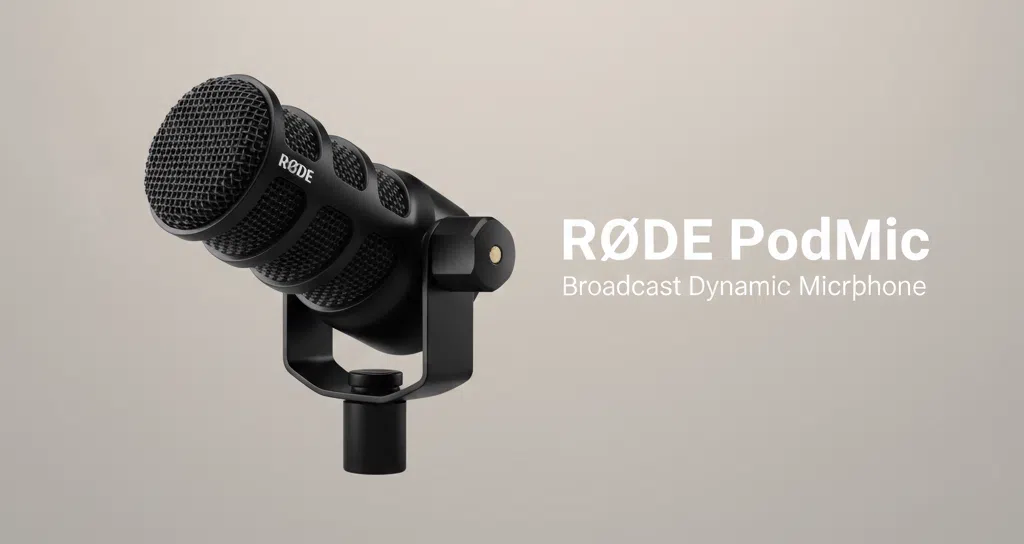
The Rode PodMic is a broadcast-style microphone designed for rich, focused voice capture. In particular, it delivers warm tones while reducing background noise, making it suitable for controlled recording spaces. As a rugged studio microphone, it is built to last and perform consistently during long recording sessions.
Key features
- Cardioid dynamic capsule tuned for voice
- Built-in pop filter and internal shock mounting
- Very durable broadcast-style build
RØDE NT1 5th Gen Condenser Microphone

The RØDE NT1 5th Gen is a modern studio-grade microphone designed for creators who demand clarity, flexibility, and future-ready performance. Notably, it builds on the legendary NT1 sound signature while introducing advanced connectivity for today’s podcasting and content workflows. With ultra-low self-noise and detailed vocal capture, it delivers clean, natural audio suitable for both spoken word and creative recordings.
Key features
- Dual-connectivity (XLR + USB) for maximum flexibility
- Ultra-low self-noise for clean, detailed recordings
- High-quality condenser capsule tuned for vocals
- Future-ready design for home studios and professional environments
Rode NT-USB Mini
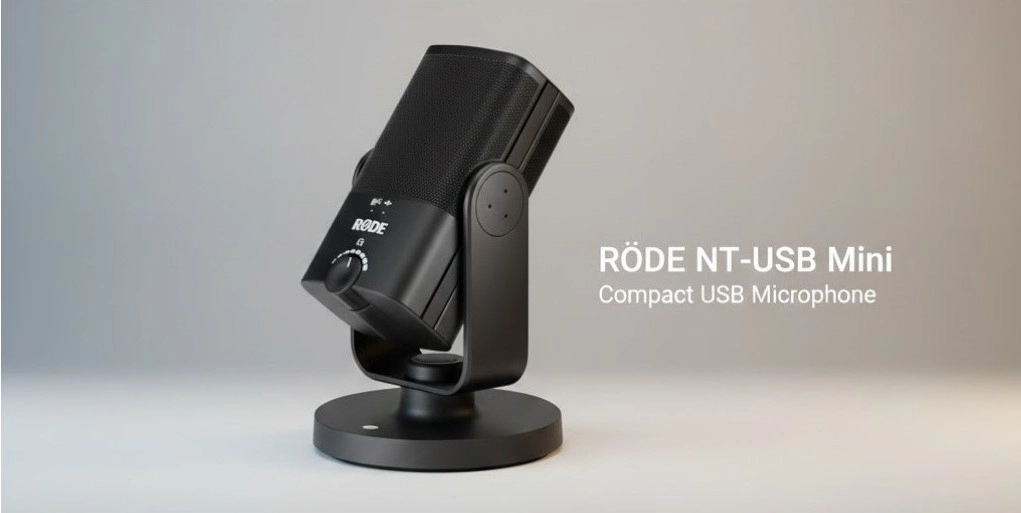
The Rode NT-USB Mini is a compact and modern USB Podcast Microphones designed for simplicity without sacrificing audio quality. Because of its design, it offers clean sound output and quick setup, making it accessible for beginners and mobile creators.
Key features
- USB plug-and-play — easy setup
- Cardioid pickup pattern for focused voice capture
- Built-in pop filter (in some NT-USB versions)
Synco CMic-V1 USB Condenser Mic

The Synco CMic-V1 is a versatile podcast microphone that delivers crisp and balanced sound for everyday recording needs. In comparison to many entry-level mics, it performs well in untreated rooms and supports creators who want quality audio without complex equipment.
Key features
- USB connectivity with zero-latency headphone monitoring
- Adjustable gain control
- Cardioid pickup pattern for focused audio
Synco P1T / Digital Wireless Microphone System
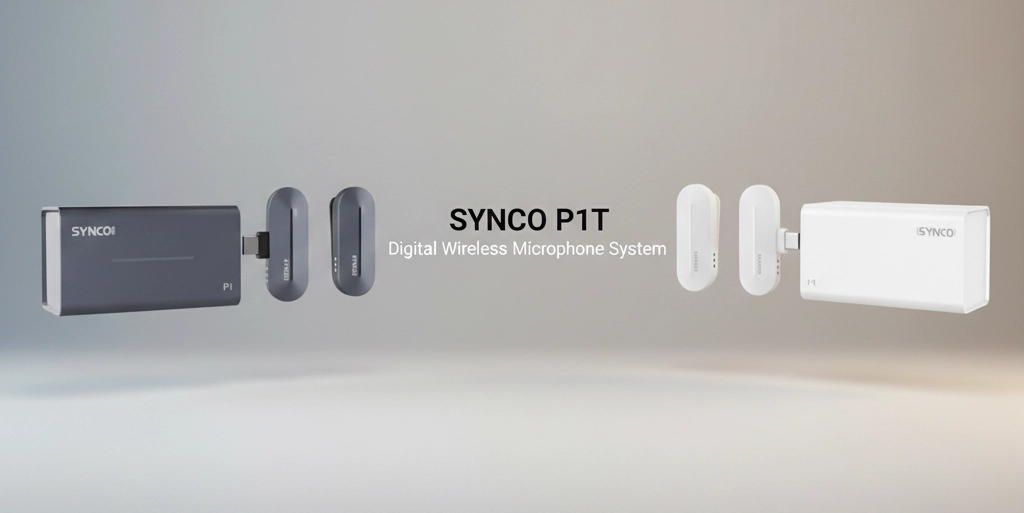
The Synco P1T system is designed for flexibility and mobility. Unlike traditional desk microphones, it allows creators to record clean audio without being tied to a desk, making it a practical recording microphone solution for dynamic content creation.
Key features
- Wireless convenience (USB-C receiver, automatic pairing)
- DSP noise cancellation and voice effects
- Portable, rechargeable system
Key Features to Look for in a Podcast Microphone
Before finalizing a podcast microphone, it is important to understand the technical features that influence sound quality, ease of use, and long-term performance. By doing so, you can better match a microphone to your recording style and environment.
Below, you’ll find the key features to evaluate for consistent and clear podcast production.
USB vs XLR Microphones
USB and XLR microphones serve different recording needs. Therefore, understanding the difference helps you choose the right setup.
| Feature | USB Microphones | XLR Microphones |
| Setup | Plug-and-play | Requires audio interface |
| Audio Control | Limited | Advanced control |
| Portability | High | Moderate |
| Studio Use | Entry-level | Professional |
Condenser vs Dynamic Microphones
Choosing between condenser and dynamic podcast microphones depends on your recording space and voice style. In other words, each type captures sound differently, making one more suitable than the other for specific podcasting environments.
| Feature | Condenser Microphones | Dynamic Microphones |
| Sensitivity | High | Moderate |
| Background Noise | Picks more | Picks less |
| Studio Requirement | Quiet rooms | Treated or noisy rooms |
| Vocal Detail | High clarity | Focused tone |
| Durability | More delicate | More rugged |
Frequency Response & Sensitivity
Frequency response shows how well a microphone captures low, mid, and high tones. A balanced range keeps vocals natural.
Sensitivity measures how easily it picks up sound. Moderate sensitivity reduces background noise while keeping vocals clear.
Together, they shape clarity, warmth, and consistency—making recordings pleasant to hear and easier to edit.
Accessories and Setup Considerations
Podcast Mic Setup Tips
- Placement: Position on desk for comfort and sound quality.
- Distance: Keep proper space to avoid distortion, pops, and uneven volume.
- Room Acoustics: Reduce reflections from walls and tables.
- Accessories: Use pop filters, shock mounts, and stable stands to cut noise and vibration.
- Cables: Manage neatly to avoid interference and clutter.
Correct setup = cleaner, clearer recordings, less editing, and a better listening experience.
Accessories Every Podcaster Should Consider
- Boom Arms & Stands → Allow flexible positioning, free desk space, and keep mic stable for clear sound.
- Audio Interfaces (XLR Mics) → Convert analog to digital, add gain control, cleaner signal, and better monitoring.
- Shock Mounts → Isolate mic from vibrations and bumps, cutting low-frequency noise.
These essentials improve audio quality, reduce noise, and make recording more professional and comfortable.
Conclusion – Choosing the Best Podcast Microphones for Your Needs
The choice of the appropriate podcast microphone depends on your content objectives, recording settings, and budget. Since entry-level creators want a low-cost podcast microphone, all the way up to professionals wanting a broadcast-quality microphone, the range of choices found in Pakistan today suits all requirements. Learning about the types, features, and accessories of microphones will assist in making wise investments and not spending too much on unnecessary upgrades.
Explore Fusion Max Pakistan today for trusted podcast microphone options that balance quality and value.
Ultimately, in choosing options, long-term value, build quality, and the price of the microphone in Pakistan in comparison to performance are the most important factors to consider. The right setup will help you feel confident in selecting the best podcast mic that supports your creative process, delivers consistent audio quality, and grows with your podcast journey.
Frequently Asked Questions
The USB microphone is usually the best choice for newbies in Pakistan as it is simple to get set up and budget-friendly. Some models, such as the RØDE NT-USB Mini and Synco CMic-V1, deliver clear sound with consistent performance and are compatible with most recording software without additional gear.
You can, indeed, do professional podcasting using a USB mic, especially for solo podcasters and home studio setups. There are plenty of modern USB microphones that can deliver broadcast-level sound. But you can add XLR systems to studio environments at a later point, when you want more control and scalability.
No, you don’t need an additional audio interface for all microphones. USB microphones plug directly into computers. XLR microphones, however, require an audio interface to take the sound or electrical signals and convert them into digital audio and give you great control of your gain.
Depending on the environment, both condenser and dynamic microphones are good when it comes to podcasting. Condenser mics are more detailed and are applicable in quiet rooms. Dynamic microphones are the ones that can cope with the background noise, so they are used in untreated rooms or in a busy studio.
The cost of a good podcast microphone in Pakistan ranges between the entry-level and professional pricing. Those new to podcasting can start with modest USB options, but more experienced creators need to spend up for good sound. The budget must be in line with recording objectives and long-term content strategies.